
Blood Sugar and Chronic Pain: What the Insulin Link Means for You
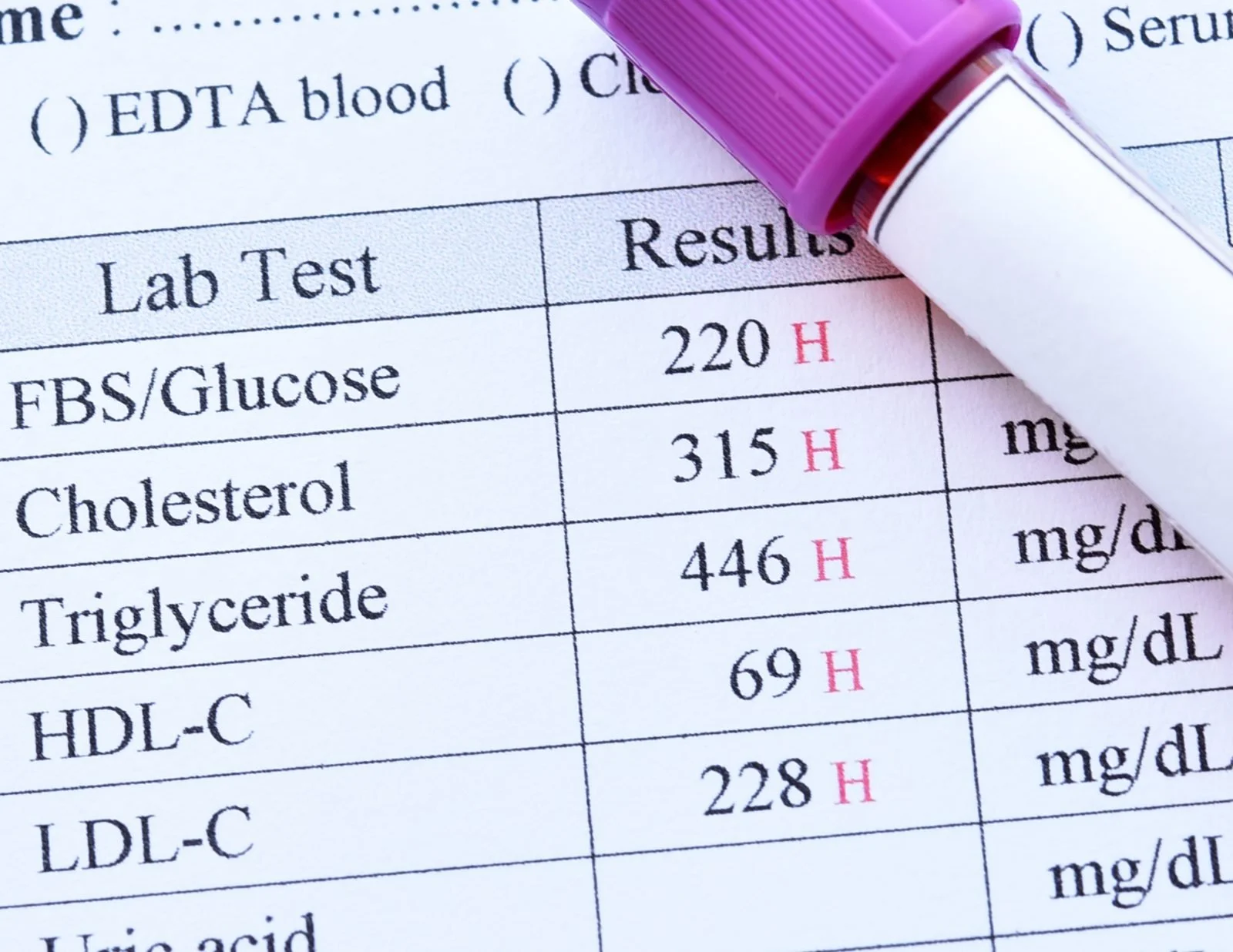
Your blood sugar and your pain may be connected, and a new study of more than 6,500 U.S. adults adds to the evidence.
Insulin is the hormone that moves sugar out of your blood and into your cells, where it becomes fuel. Insulin sensitivity is how well your cells respond when insulin knocks. When sensitivity is high, a little insulin gets the job done. When it slips, your body has to send more.
In the October 2026 issue of Pain Management Nursing, researchers asked whether that slip shows up as pain. They used a score that estimates insulin sensitivity from waist size, blood pressure status and HbA1c, which is a three-month average of your blood sugar. They checked it against pain reports from more than 6,500 U.S. adults. The people in the top quarter for insulin sensitivity had about half the odds of chronic pain compared with the people in the bottom quarter. A second group of about 5,200 adults over 45 in China pointed the same direction.
Would you believe the link was strongest in people with a BMI under 30? That puts lean and athletic people in this conversation too.
The habits that improve insulin sensitivity are ones you can start this week, and each one lines up with a pillar of the NEST framework I use with patients: Nutrition, Exercise, Stress reduction and Targeted supplementation.
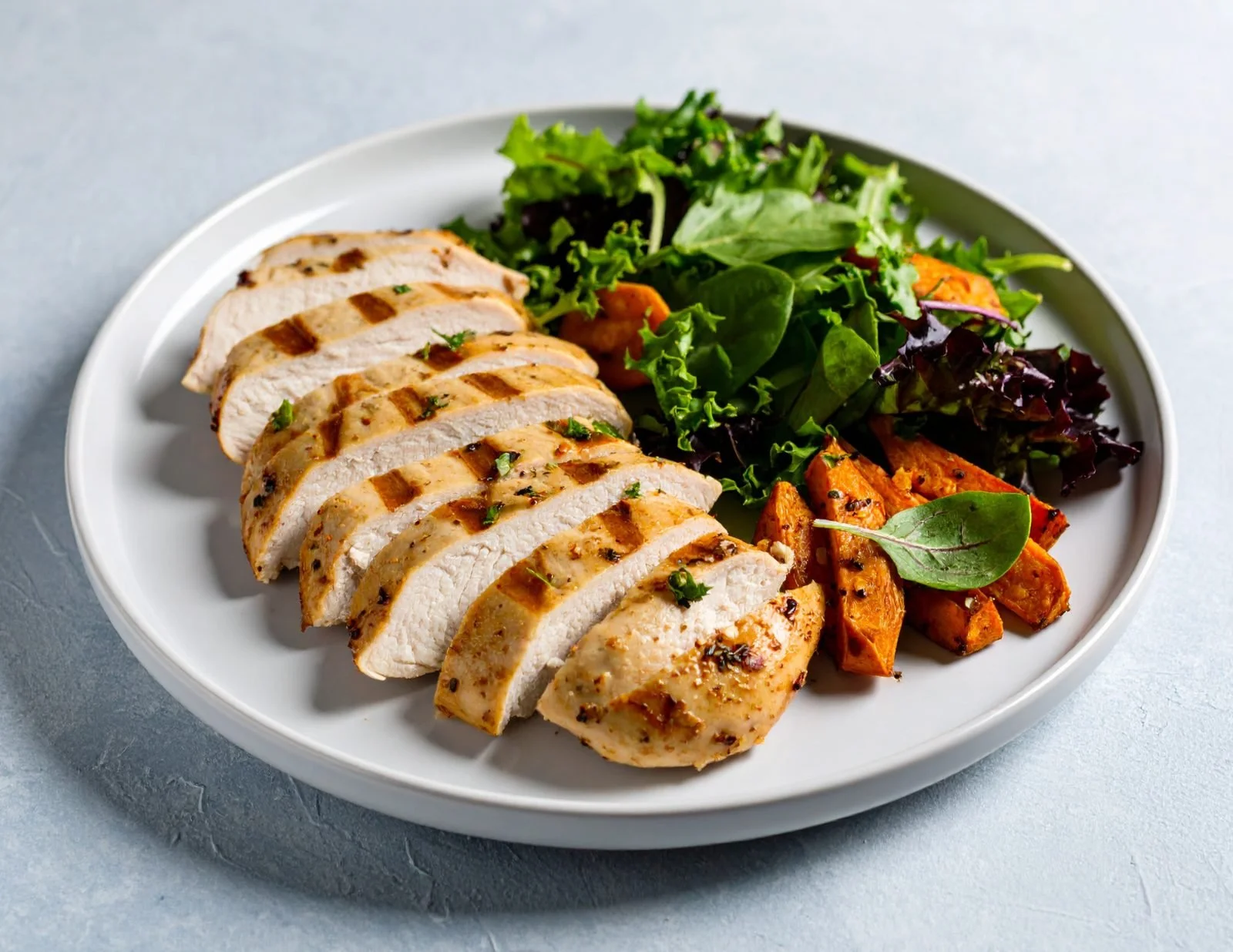
N: Nutrition, eat your vegetables and protein first
Most blood sugar advice is about what goes on your plate. The order you eat it in makes a difference too.
Researchers at Weill Cornell Medical College had 11 adults with type 2 diabetes eat the same meal twice, a week apart. One day they ate the bread and orange juice first, then the chicken, salad and broccoli 15 minutes later. The other day they flipped the order. When the vegetables and protein came first, blood sugar was more than a third lower an hour after the meal, and insulin was lower too.
The only cost is a little patience at the start of a meal.
Actionable Tip
Start your biggest meal with the vegetables and protein: the salad, the chicken, the roasted broccoli. Give those a few minutes, then move on to the bread, rice or potatoes. At breakfast, eat the eggs first and the toast second. If you're feeding a family, set the vegetable dish on the table before the starch comes out.
Why This Matters
Protein and fiber slow how fast your stomach empties, so the sugar from your starch enters your bloodstream as a gentler rise. A gentler rise asks your pancreas for less insulin. Repeated at every meal, that gives your cells a break from being asked to respond again and again, and cells that get that break stay more sensitive to insulin.

E: Exercise, a short walk after meals plus strength work
Your muscles are the biggest sugar-storage tank in your body, so what they're doing after a meal matters.
A meta-analysis in Sports Medicine pooled seven one-day trials with 461 adults and compared sitting with standing and with light walking. Light walking lowered blood sugar and insulin after eating more than sitting did, and more than standing did.
Strength work adds a longer-term effect. A pooled analysis of 12 trials in adults over 60 found that resistance training improved insulin resistance scores and HbA1c compared with no training.
Actionable Tip
After your largest meal, take a 10 to 15 minute walk at an easy pace, starting within about 30 minutes of finishing if you can. If you only have two or three minutes, take them. Then add two strength sessions a week: chair squats and counter push-ups, 10 of each, two rounds. If a joint is cranky, shrink the range of motion until it's comfortable, and have a physical therapist check your form.
Why This Matters
Working muscles pull sugar out of your blood and burn it for fuel, and they can do that without waiting on insulin. That's why a walk lowers blood sugar within minutes of the first step. Strength training builds more muscle to act as a bigger tank, and trained muscle responds to insulin better day to day. A body that moves after meals and lifts a couple of times a week gives insulin an easier job.

S: Stress, calm the hormone that raises your blood sugar
When you're stressed, your body releases cortisol and adrenaline, and one of their jobs is telling your liver to release stored sugar so you have fuel to fight or run. That made sense on the savanna. At a desk or in a car, the sugar has nowhere to go, and a nervous system on high alert also tends to turn up the volume on pain signals.
A 2022 meta-analysis pooled 28 studies of mind and body practices in adults with type 2 diabetes. Across all of them, HbA1c dropped by an average of about 0.8 percentage points. Yoga showed the biggest drop, about a full point, followed by qigong and mindfulness-based stress reduction.
Actionable Tip
Pick one calming practice and do it three days this week: a 20 minute gentle yoga video, a guided mindfulness session, or a slow walk with your phone left at home. Put it on the calendar at the same time each day so it gets treated like an appointment. In the study, each extra weekly day of yoga went along with a lower HbA1c, so frequency is worth building toward.
Why This Matters
Cortisol and adrenaline send sugar into your blood and make your cells less responsive to insulin for a while. Calming practices shift your body toward rest-and-digest mode, where those signals fade. Researchers think that shift is part of how these practices work. When the alarm shuts off, blood sugar settles, and so does the volume on your pain signals.
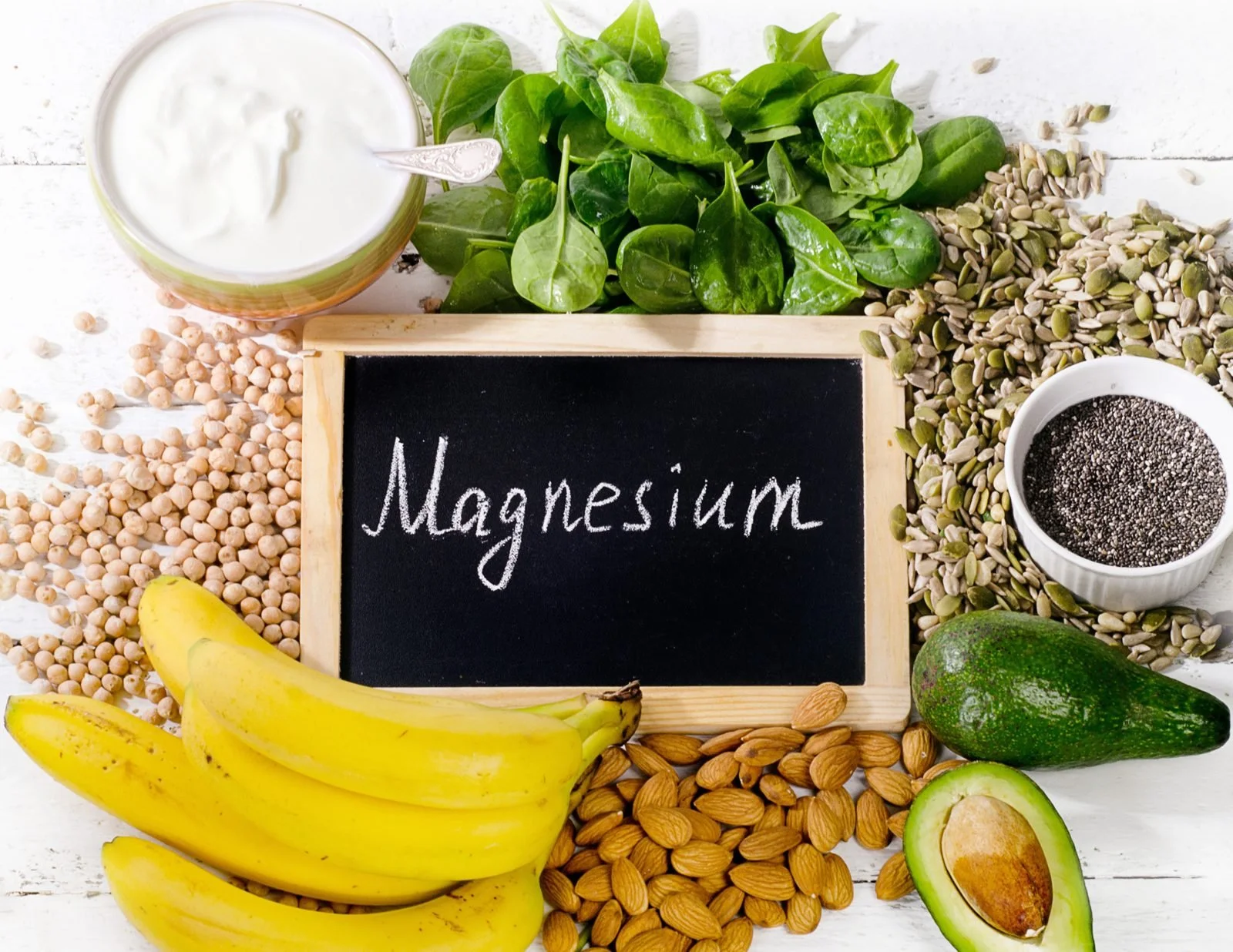
T: Targeted supplementation, magnesium and insulin signaling
Magnesium is a mineral your cells use for hundreds of reactions, including the ones that carry insulin's message inside the cell.
A 2021 meta-analysis in Nutrients pooled 25 double-blind trials of magnesium versus placebo in people with diabetes or at high risk of it. In the people at high risk, magnesium lowered fasting blood sugar and improved a measure of insulin resistance called HOMA-IR.
Actionable Tip
Start with food. Beans, nuts, seeds and leafy greens are the main sources, and adding a handful or a serving of one at dinner is an easy first step. If you add a supplement, the NIH sets the upper limit for magnesium from supplements at 350 milligrams a day for adults. Check the label for elemental magnesium, which is the amount of actual magnesium in the serving, and stay under that number. A 200 milligram dose with dinner is a reasonable starting point. Diarrhea is the most common side effect of too much, and magnesium glycinate is a form many people tolerate well. This is the one I recommend. If you have kidney problems, or take antibiotics, bisphosphonates, diuretics or acid reflux medicine, ask your provider first.
Why This Matters
Inside your cells, insulin's signal passes through enzymes that need magnesium to work. With low magnesium, the signal comes through fainter, so your body sends more insulin to compensate. If your magnesium runs low, topping it up may help insulin's message come through clearly again. Food is the first place to look for it.
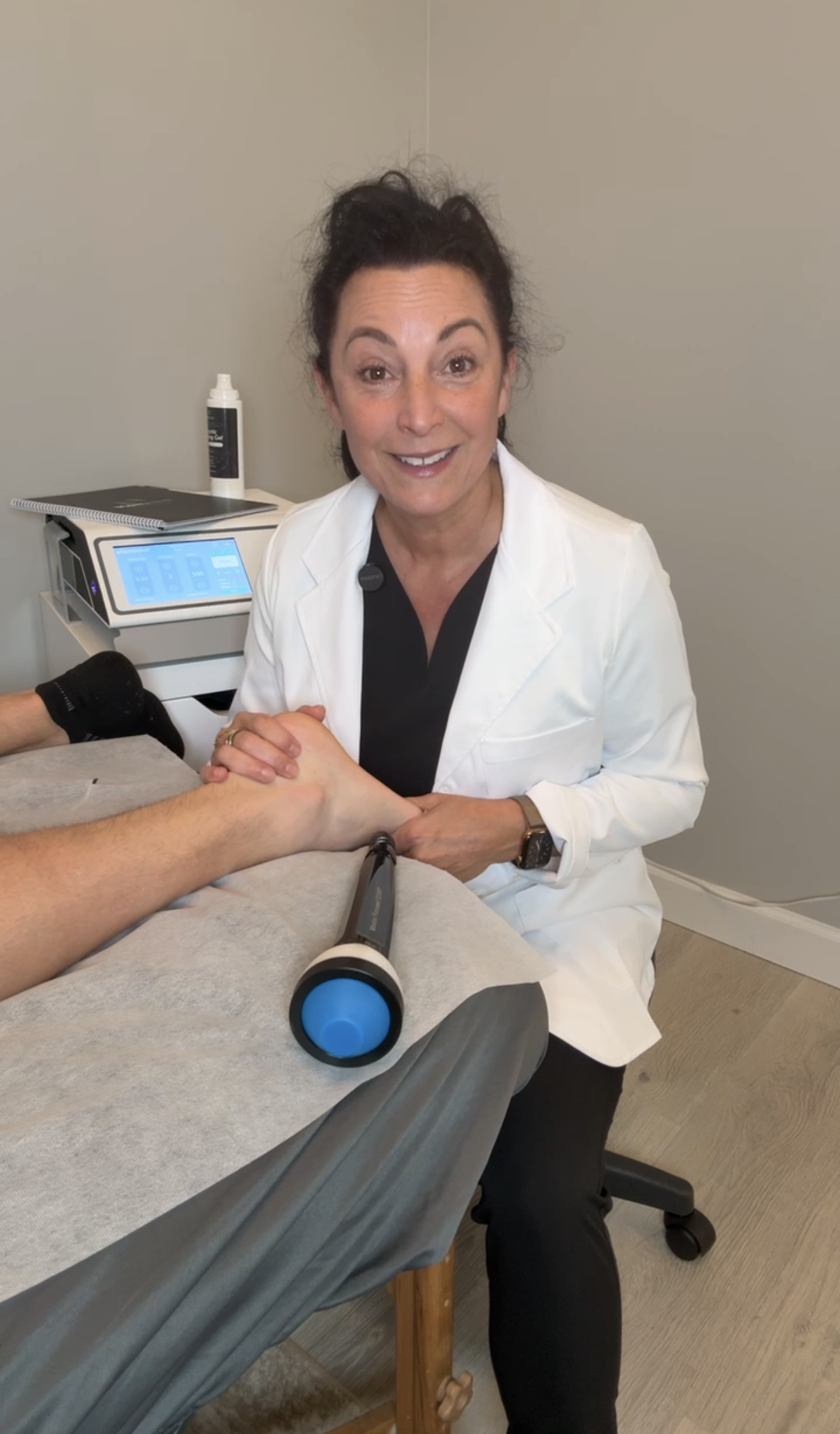
When pain keeps you off your feet: StemWave in West Nyack, NY
A walk after dinner and a strength session both ask the same thing of you: a body that's willing to move. When pain talks you out of moving, everything above gets harder to follow.
If pain is what keeps you on the couch, extracorporeal shockwave therapy (ESWT) is worth knowing about. StemWave is an FDA-listed, non-invasive ESWT device that uses focused acoustic wave technology to activate your body's own healing mechanisms at the spot of pain.
An in-depth review published in Orthopedic Reviews in August 2026 pulled together 84 studies and described ESWT as promising for a long list of chronic pain conditions, including tendon problems, plantar fasciitis, osteoarthritis and low back pain, with minimal side effects. The authors describe how it may calm an overly sensitive pain system, lower inflammation and support healing.
Results vary, so a mapping session starts with a look at where your pain is coming from and whether StemWave is a fit.
Sundala Wellness is one of the first clinics in Rockland County offering StemWave, and we hold dedicated StemWave mapping sessions every week at our West Nyack office. The $69 intro offer gets you a consultation, your first treatment, and a customized care plan if you qualify.
Claim your mapping session spot or call the office at 845-828-6842.
If this post made you curious about your own blood sugar, a nutrition consult is a good place to start. Book a free discovery call and we'll build your personalized roadmap for thriving in midlife.
Blood sugar and pain: common questions
Can high blood sugar cause chronic pain?
Research links the two. In the large U.S. study above, better insulin sensitivity went along with lower odds of chronic pain, but studies like that show an association and can't prove cause. In people with diabetes, long-term high blood sugar can also damage nerves, which is a known source of pain in the feet and hands. If you have burning, tingling or numbness, see your provider.
What is insulin sensitivity?
It's how well your cells respond to insulin, the hormone that moves sugar from your blood into your cells. High sensitivity means your body needs only a little insulin. Lower sensitivity means it has to send more.
How long should I walk after a meal to lower my blood sugar?
A 10 to 15 minute easy walk after your biggest meal is a good starting point, and even two or three minutes helps. Starting within about 30 minutes of finishing works well for most people.
Is StemWave FDA-listed?
Yes. StemWave is an FDA-listed device. Results vary, and a consultation is required to determine whether it's a fit for you.
Educational note: this post is for general information and does not replace personalized medical advice. Please talk with your healthcare provider before starting any new supplement, especially if you have a health condition or take medication.
This post is adapted from THE NEST, my newsletter. Sign up for THE NEST to get the next issue. [NEWSLETTER SIGN-UP LINK NEEDED]