
StemWave® for Plantar Fasciitis: What Shockwave Therapy Actually Does for Heel Pain
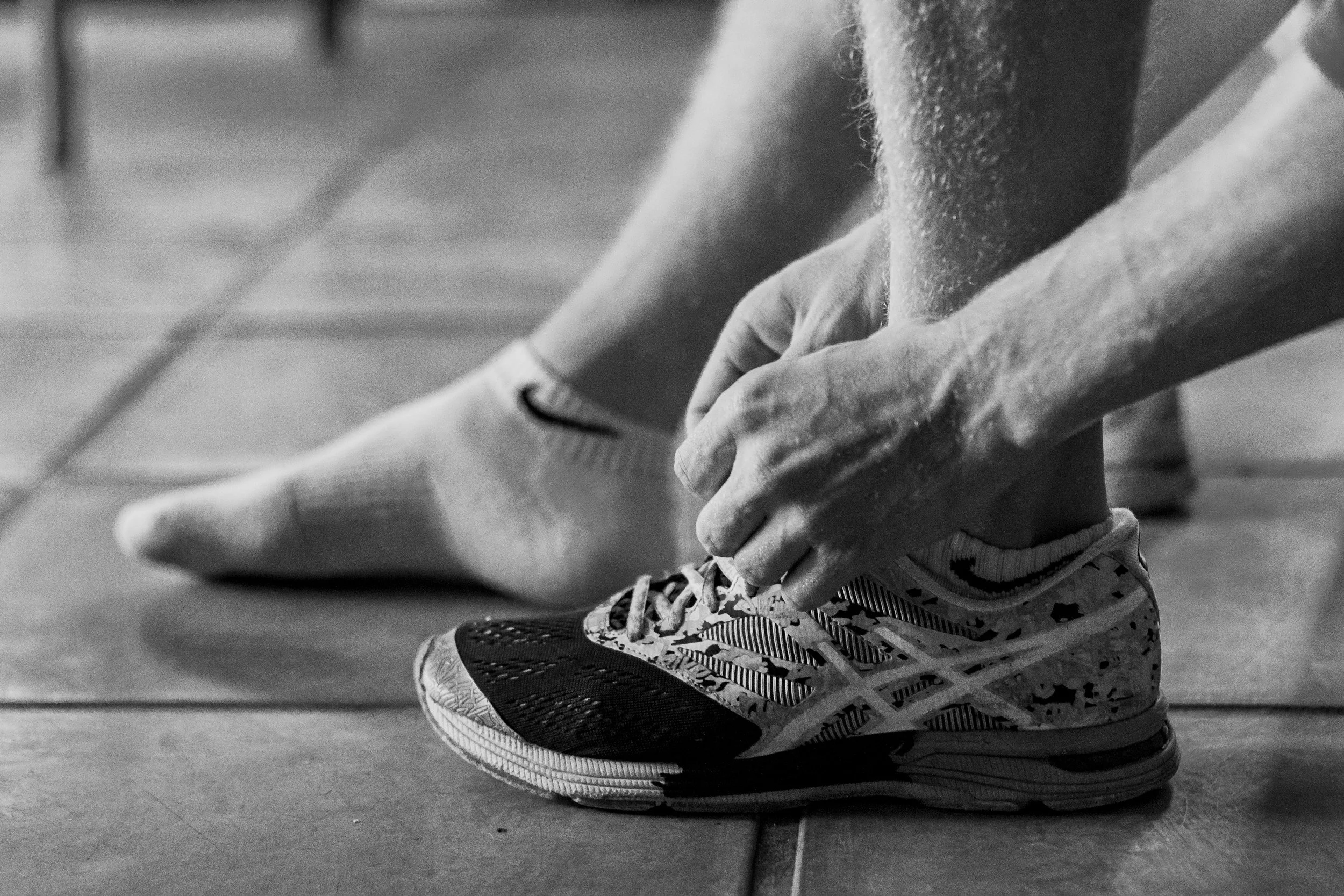
Your first steps out of bed are the worst part of your day. Not because you're not a morning person, because the bottom of your foot feels like you're standing on a bruise that never healed. You test it carefully before you put full weight down. Maybe you've started keeping slippers by the bed just to buy yourself a few seconds before your heel has to do its job.
That's plantar fasciitis, and if you're reading this hunched over your phone at 6am rubbing your arch, welcome to the clurrrrb. It's a big one, and I promise you're not doing anything wrong by still being in it.
By the time most people land in my office for this, they've already tried the whole checklist: stretching the calf every morning, icing it at night, new sneakers, arch supports from the drugstore, maybe a night splint that made sleep worse instead of better. Some of it helped a little. None of it fixed the thing. StemWave® shockwave therapy is often the piece that's been missing, and it's launching in my West Nyack office on September 22nd.
How shockwave therapy actually works on plantar fasciitis
Here's the mechanism, in plain terms. The plantar fascia is the thick band of tissue running along the bottom of your foot, connecting your heel to your toes. When it's irritated for weeks or months, the tissue often isn't in an active, angry inflammation state anymore. It's stuck. Blood flow to the area slows down, and the body stops treating it like something that needs repair. That's a big part of why rest alone doesn't fix chronic cases. There's nothing actively healing to rest.
StemWave® delivers focused acoustic pressure waves through the skin to the exact site of pain. Those waves are designed to jolt that stalled tissue back into an active repair state, increasing blood flow and stimulating the cellular processes that build new, healthier tissue. It's mechanical, not magic. You're essentially giving your body a reason to restart a job it gave up on.
StemWave® is an FDA Class I registered device. It isn't FDA-approved or FDA-cleared, and I won't pretend otherwise. What I can tell you is that many patients report real, meaningful relief, and the mechanism behind it makes biological sense.
What a StemWave® session looks like at Sundala
We start with a mapping session. Mapping exists because I don't want to guess where your pain is actually coming from. Plantar fasciitis can present differently from one person to the next: sometimes it's concentrated directly at the heel, sometimes it's spread along the arch, sometimes there's a compensation pattern happening up the chain in the calf. I palpate the foot to find your specific pain generators before we ever turn the device on.
From there, sessions run 15 to 20 minutes. No anesthesia, no downtime. You'll feel pressure and some mild discomfort while the device works the area, but it's not dramatic, and most patients are back on their feet (sometimes literally, walking out the door) shortly after. Many patients come in twice a week for the first three weeks, then we reassess based on how the tissue is responding.
If you want to get ahead of the September 22nd launch, book your mapping session now. Spots for the first few weeks will fill fast once we're live.
Who this actually helps
StemWave® for plantar fasciitis tends to make the most sense for people who've had heel pain for more than a few weeks and haven't gotten lasting relief from stretching, orthotics, or rest. It's also a good fit if you've developed a heel spur alongside the fasciitis, since the shockwave targets the surrounding soft tissue and its healing response, not just the bone.
A brand new, acute injury you haven't had evaluated yet isn't where you start with StemWave®. If your heel pain began this week after a specific incident, or if you're dealing with numbness or swelling that seems out of proportion to plantar fasciitis, that needs an evaluation before we talk about StemWave®. I'll say so plainly instead of putting you on the schedule for something that isn't a good match yet.
How StemWave® fits into your bigger recovery picture
Plantar fasciitis rarely lives in isolation. Tight calves, altered gait mechanics, and compensation patterns further up the leg all feed into it, which is part of why I run a multi-modality clinic instead of a single-treatment practice. For patients dealing with calf tightness or trigger points contributing to their foot pain, you can also consider adding in dry needling to address the muscle guarding directly.
If inflammation is a bigger piece of your picture, particularly for patients managing this alongside other joint or tendon issues, functional nutrition support can work alongside the shockwave sessions too. The right nutrition can contribute to reducing overall inflammation and can / should be considered when healing.
Book your mapping session
If your heel has been the first thing you think about every morning for longer than you'd like to admit, let's find out what's actually going on and whether StemWave® is the next move for you. The mapping session is $69, takes one visit, and gets you a real answer instead of another guess.
Call the office at 845-828-6842 or book online to get on the calendar before the September 22nd launch.